Everything You Need to Know About Home Siding
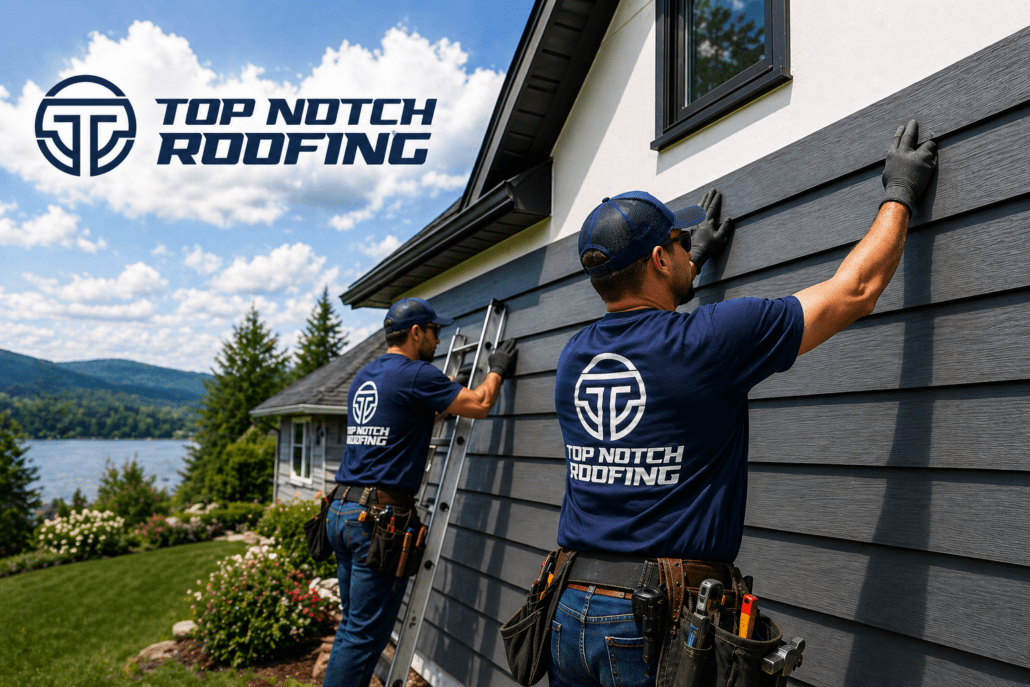
When it comes to protecting and enhancing your home, few elements are as important as siding. Often overlooked, siding is more than just an exterior finish—it’s your home’s first line of defense against the elements while also playing a major role in curb appeal and energy efficiency.
What Is Siding?
Siding (also known as exterior cladding) is the material attached to the outside walls of a home. Its primary job is to protect the structure from weather conditions like rain, snow, wind, and extreme temperatures, while also improving the building’s appearance.
In short, siding acts as both a shield and a style statement.
Why Siding Matters
Choosing the right siding is a big decision because it directly impacts:
- Durability – Protects your home from moisture, pests, and weather damage
- Energy efficiency – Helps regulate indoor temperatures
- Curb appeal – Defines your home’s exterior look
- Property value – Quality siding can increase resale value
The right siding material can significantly improve your home’s long-term performance and aesthetics.
Popular Types of Siding
There are many siding options available, each with unique benefits and drawbacks. Here are some of the most common:
1. Vinyl Siding
Vinyl is the most popular siding choice in the U.S. due to its affordability and low maintenance. It comes in a wide range of colors and styles and is resistant to weather and pests.
Pros:
- Budget-friendly
- Low maintenance
- Wide color selection
Cons:
- Can crack in extreme temperatures
- May fade over time
2. Wood Siding
Wood siding offers a natural, classic look that many homeowners love.
Pros:
- Beautiful, timeless appearance
- Can be painted or stained
Cons:
- Requires regular maintenance
- Susceptible to rot and insects
- Fiber Cement Siding
A durable, composite material made from cement, sand, and cellulose fibers.
Pros:
- Long-lasting (often 40–50 years)
- Resistant to fire, rot, and pests
Cons:
- Higher upfront cost
- Requires professional installation
4. Metal Siding (Aluminum or Steel)
A modern option known for its durability and sleek look.
Pros:
- Fire-resistant
- Low maintenance
Cons:
- Can dent easily
- May require repainting over time
5. Stone or Brick Veneer
These materials offer a high-end appearance and excellent durability.
Pros:
- Extremely long-lasting
- Strong insulation properties
Cons:
- Expensive
- Professional installation required
How to Choose the Right Siding
Selecting the best siding for your home depends on several factors:
- Climate: Some materials perform better in certain weather conditions
- Budget: Costs vary widely depending on material and installation
- Maintenance: Consider how much upkeep you’re willing to handle
- Style: Match your home’s architecture and personal taste
For example, vinyl is great for affordability and ease, while fiber cement or brick may be better for longevity and durability.
Cost Considerations
Siding is a significant investment. The average cost to install siding on a typical home can exceed $25,000, depending on materials and size.
While cheaper options may save money upfront, premium materials often offer better longevity and lower maintenance costs over time.